Seven Red Flags That Can Turn Buyers Away During a Home Walkthrough
February 6, 2026

February 6, 2026
Buying a home sounds simple at first — walk in, look around, and decide if it feels right. But in reality, buyers often have less than 20 minutes to evaluate a property they may live in for years. Between comparing layouts, judging location, and remembering other homes they’ve seen, it’s easy to overlook warning signs that could lead to costly repairs later.
The good news? You don’t have to navigate the process alone. A trusted real estate agent can help you spot potential concerns, and a professional home inspection adds another layer of protection. Still, knowing what to look for during a walkthrough can help you make smarter decisions and negotiate with confidence.
Here are seven red flags buyers should never ignore — unless you’re intentionally searching for a fixer-upper.
Exterior paint may seem like a minor cosmetic issue, but it often signals deferred maintenance. While repainting is typically an easy fix, buyers may interpret it as a sign the property hasn’t been properly cared for.
A roof replacement can be one of the most expensive home repairs. Signs of an older roof — or evidence of leaks — may indicate hidden structural damage. Many buyers either walk away or adjust their offer after reviewing an inspection report.
Cracks, uneven surfaces, or visible shifting around the home’s exterior should never be ignored. Foundation repairs can be costly and complicated, making this a major red flag for buyers who aren’t planning extensive renovations.
Loose bricks or stonework may look like a small issue, but they can raise questions about structural integrity and overall upkeep. Once buyers start worrying about stability, regaining confidence in the property becomes difficult.
Broken or worn siding can lead to insulation problems, moisture intrusion, or hidden damage. While not always a deal-breaker, it’s a sign to proceed carefully and wait for a professional inspection before moving forward.
Small details matter. A dented garage door or visible neglect at the entrance can make buyers assume there are bigger issues inside the home. Even minor repairs can influence how buyers perceive overall value.
An overgrown lawn or messy landscaping may be easy to fix, but it can lower a home’s appeal instantly. Buyers often question how well the rest of the property has been maintained when outdoor spaces are ignored.
When touring homes, it’s important to consider not only the listing price but also future maintenance costs. Some red flags may simply strengthen your negotiating position, while others could be signs to walk away.
Working with an experienced real estate professional helps you balance emotions with practical decision-making — ensuring you choose a home that fits both your lifestyle and your long-term investment goals.
Stay up to date on the latest trends in real estate.
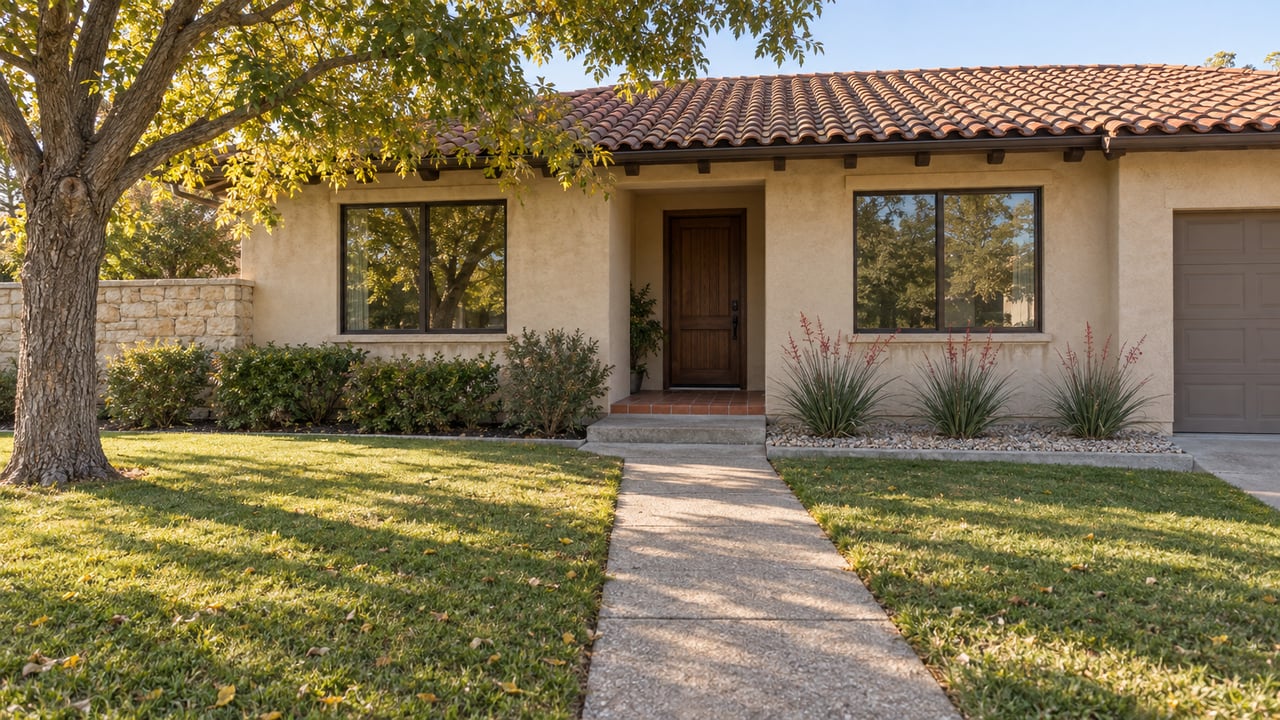
October 8, 2026
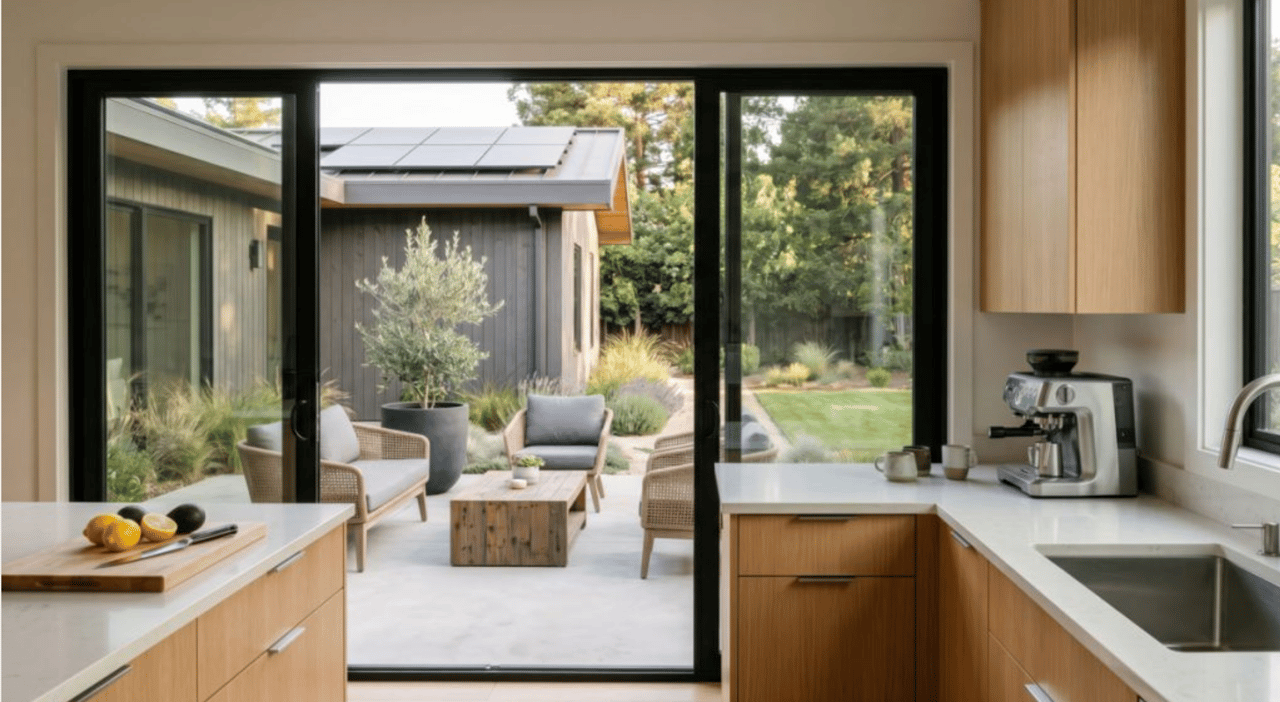
July 28, 2026
Listing in the summer

June 9, 2026
Thinking about making an offer on a home?

May 29, 2026
Late Spring Home Maintenance Tips to Prepare for Summer

May 11, 2026
Smart Strategies to Navigate Real Estate with Confidence
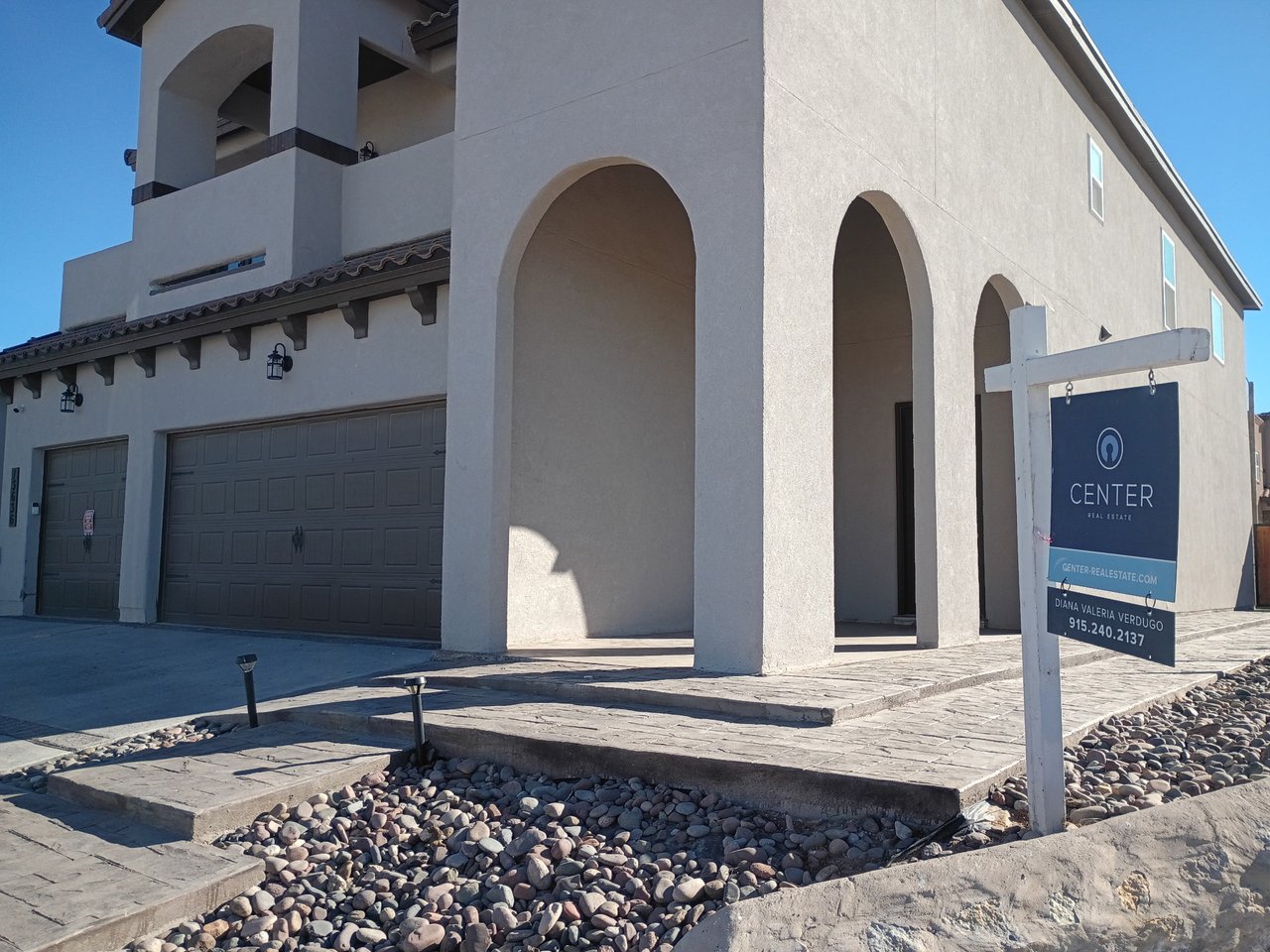
March 4, 2026
How Smart Pricing, Local Market Data, and Strategy Can Help You Attract Buyers and Sell with Confidence This Spring
You’ve got questions and we can’t wait to answer them.